
Pink Eye (Conjunctivitis)
Pink Eye in Children
Pink eye is a common and usually mild eye condition in children. While it can look concerning, most cases are easily treated and improve quickly. At Health Care for Children, we help families understand the cause, manage symptoms, and know when medical care is needed.
What Is Pink Eye?
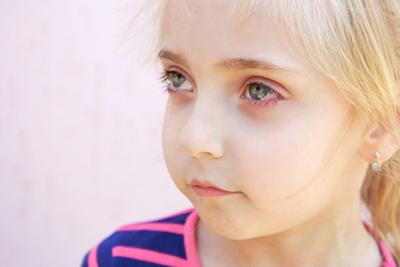
Pink eye, also called conjunctivitis, is inflammation of the thin tissue that covers the white part of the eye and the inside of the eyelids. It can be caused by viruses, bacteria, allergies, or irritation.
Common Symptoms
Symptoms of pink eye may include:
- Red or pink appearance of the eye
- Eye discharge or drainage
- Crusting on the eyelids or lashes, especially after sleep
- Itching or burning sensation
- Watery eyes
- Sensitivity to light
Symptoms may affect one or both eyes.
What You Can Do at Home
You can help relieve symptoms by:
- Gently cleaning the eye with a warm or cool compress
- Washing hands frequently
- Avoiding touching or rubbing the eyes
- Not sharing towels, pillows, or eye products
If eye drops are prescribed, use them exactly as directed.
When to Call Us
Call our office if:
- Your child is under 3 months old with a fever
- Fever lasts more than 2–3 days
- Your child is not drinking fluids well
- Fever is accompanied by rash, vomiting, or pain
- You are concerned or unsure what to do
📞 Call (816) 792-1170 and select option 3.
When to Seek Urgent or Emergency Care
Seek urgent or emergency care if your child has:
- Severe eye pain
- Significant swelling around the eye
- Trouble seeing or sudden vision changes
- Eye injury or chemical exposure
How We Diagnose and Treat Pink Eye
Your provider will examine your child’s eyes and review symptoms. Treatment depends on the cause. Viral pink eye often improves on its own, while bacterial pink eye may require antibiotic eye drops. Allergic pink eye is treated by addressing allergy triggers.
Returning to School or Daycare
Return policies may vary. In general, children may return when:
- Symptoms are improving
- Any required treatment has started
- They feel well enough to participate
We’re happy to provide guidance or documentation if needed.
Prevention Tips
To help prevent pink eye:
- Wash hands often
- Avoid touching eyes
- Clean shared surfaces and toys
- Do not share towels or eye products
Schedule an Appointment
If you’re concerned your child may have pink eye, we’re here to help.
Request an Appointment through our online form, or call our nurse triage line for guidance.