
Fever
Fevers in Children
Fevers are one of the most common reasons parents contact a pediatrician. While seeing a high number on the thermometer can be scary, fever itself is usually a sign that the body is working to fight an infection.
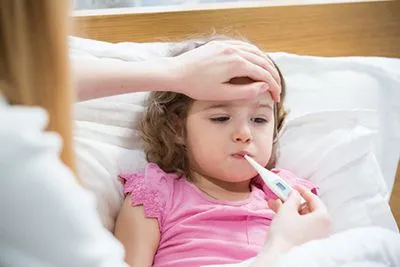
What Is a Fever?
A fever is a body temperature that is higher than normal. In children, a temperature of 100.4°F (38°C) or higher is generally considered a fever. Fevers are most often caused by viral or bacterial infections.
How to Check Your Child’s Temperature
Using the right method matters:
- Infants: Rectal temperatures are the most accurate
- Toddlers and older children: Oral, ear, or forehead thermometers may be used
Always follow the manufacturer’s instructions for your thermometer.
Common Causes of Fever
Fevers can occur with many childhood illnesses, including:
- Colds and flu
- Ear infections
- Strep throat
- RSV or other respiratory viruses
- Urinary tract infections
- Immunizations (temporary, mild fever)
What You Can Do at Home
You can help your child feel more comfortable by:
- Encouraging fluids to prevent dehydration
- Dressing your child in light clothing
- Offering age-appropriate fever reducers as directed
- Allowing rest
Do not give aspirin to children.
When to Call Us
Call our office if:
- Your child is under 3 months old with a fever
- Fever lasts more than 2–3 days
- Your child is not drinking fluids well
- Fever is accompanied by rash, vomiting, or pain
- You are concerned or unsure what to do
📞 Call (816) 792-1170 and select option 3.
When to Seek Urgent or Emergency Care
Seek urgent or emergency care if your child has:
- Trouble breathing
- A seizure
- Stiff neck or severe headache
- Persistent vomiting
- Signs of dehydration
- Difficulty waking or extreme lethargy
How We Evaluate Fever
Your provider will evaluate your child based on age, symptoms, and physical exam. Testing is sometimes needed, especially for young infants or when symptoms suggest a specific infection.
Prevention Tips
While not all fevers can be prevented, you can reduce illness risk by:
- Washing hands frequently
- Keeping immunizations up to date
- Avoiding close contact with sick individuals
Schedule an Appointment
If you’re concerned about your child’s fever, we’re here to help.
Request an Appointment through our online form, or call our nurse triage line for guidance.